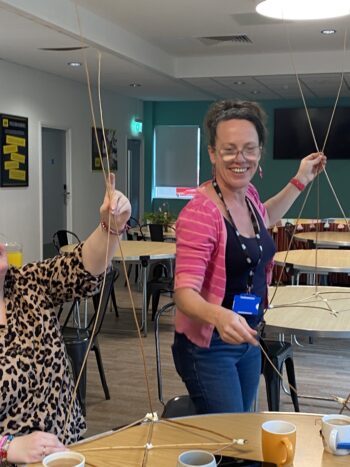
The messy, magical and sometimes frustrating business of making art happen.
Reflecting on the challenges faced by the artistic community and official response to losing local procurement opportunity with Dacorum Borough Council.
Puddingstone Arts CIC | October 2026
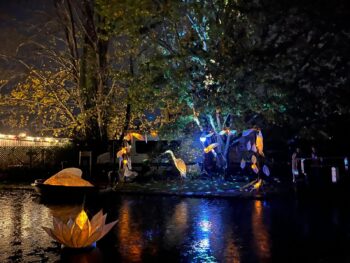
Insight into our work across community settings, developing ideas, investing creativity, building partnerships, securing funding and delivering successful projects and events.
Puddingstone Arts was recently unsuccessful in procuring Dacorum Borough Council’s Hemel Hempstead Community Lantern Parade commission.
Whilst we recognise the importance of fair and transparent public procurement, this experience raises wider questions about creative ownership, the value of artistic development and the sustainability of small, independent arts organisations.
These are questions that extend far beyond one lantern parade.
Background
The River of Light Lantern Parade did not begin with a procurement brief. It grew from an extensive period of artistic development, community engagement and investment by Puddingstone Arts and its creative partners.
Our journey included the Festival of Light and Reflection, held at Fishery Wharf in Boxmoor in November 2025 brining artists and local communities together through lantern-making workshops and a shared celebration of light, creativity and place.
The lead-in work was an important part of our development enabling us to explore artistic approaches, establish relationships, share skills and test the practicalities of delivering larger participatory events in Hemel.
It also required investment in artistic direction, planning, materials, equipment, fundraising and the time of our small team as well utilising our existing co-hort of partners artists and resources developed over 30 years of working in the creative sector.
Building on this experience, Puddingstone Arts developed and delivered River of Light in March 2026, working in partnership with Dacorum Borough Council, local schools, community organisations, artists, performers and volunteers.
Supported by £24,499 from the UK Shared Prosperity Fund, the event celebrated spring renewal and the importance of our local chalk streams through a large-scale community lantern parade in Hemel Hempstead.
The programme brought together the creation of more than 300 lanterns, extensive community participation and a public celebration involving approximately around 500 people in outreach and attracting 2000 Eventbrite bookings.
The events established a creative programme, a network of relationships and a foundation for future cultural activity in the borough.

The impact of River of Light
Our ambition was always to create something that belonged to the community: a participatory celebration that encouraged creativity, environmental awareness, collaboration in our locality.
The programme involved artists, schools, community groups and volunteers working together to create lanterns and contribute to a collective artistic experience (see link to evaluation below)
The evaluation demonstrates the wider value of socially engaged arts practice. The outcomes of these programmes cannot be measured solely through attendance figures or the spectacle of the final event.
Their value also lies in the relationships established, the confidence and skills developed, the opportunities for creative participation and the sense of collective achievement that can emerge when communities make something together.
These outcomes take time to develop. They are built through trust, continuity and the commitment of artists and organisations working closely with communities.
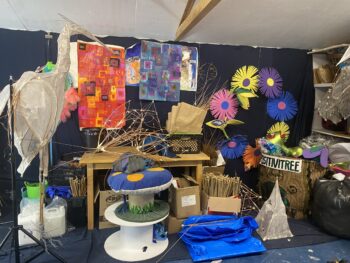
Bang or Bust realities of working in the arts.
Following the success of River of Light, Puddingstone Arts hoped to build on the programme, strengthening partnerships and developing further lantern events.
Instead, the 2027 commission was opened to competitive procurement and awarded to a National Arts Organisation based outside of Dacorum.
We understand the responsibilities of local authorities to achieve value for public investment and recognise that successful delivery does not guarantee future commissions.
However, for a small creative organisation, the consequences extend beyond losing a single contract.
The decision removes an anticipated opportunity to develop a sustainable programme of lantern-making and public events, building on the investment already made in equipment, materials, creative resources, artistic development and community relationships.
It also affects our ability to plan future work, retain creative expertise and generate income from the programmes we have invested in developing.
For independent arts organisations, the opportunity to build on successful projects is not simply desirable; it is fundamental to their financial sustainability.
When an organisation invests in developing a programme, establishes its identity and demonstrates its success, the ability to continue that work can help recover development costs and create a more stable future.
Without that continuity, small organisations find themselves repeatedly starting from scratch, absorbing the financial risks of innovation without the opportunity to benefit from their own success.
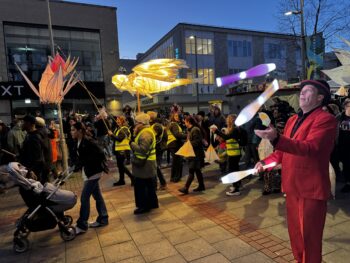
An offer to participate, but not to lead
Following the procurement decision, Dacorum Borough Council has offered Puddingstone Arts an opportunity to remain involved in elements of the lantern programme.
Whilst we appreciate the intention to maintain a working relationship, the offer is at a reduced rate and does not provide the creative ownership or leadership that defined our original involvement.
This raises a difficult question.
Having developed the creative approach, invested in resources, established partnerships and delivered the programme, we are now being offered a more limited role in its continuation.
There is a significant difference between being commissioned to develop and lead an artistic programme and being engaged to deliver individual activities within that programme.
The latter may provide short-term income, but it does not offer the same opportunities for organisational growth or creative independence.
We feel accepting such an arrangement would undermine the long-term value of our work and prefer to refocus on work within our control.
A familiar experience across the arts
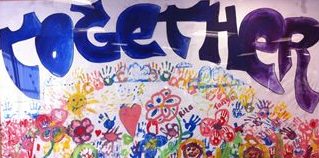
Unfortunately, our experience with River of Light is not isolated and is reflected across the sector, Im sure many artists have similar stories. Through Nysa Projects, we have encountered similar challenges following the development of My Story, a programme of socially engaged arts activity created in partnership with Hertfordshire Libraries.
The programme involved extensive artistic development, fundraising, partnership building and the creation of new approaches to creative engagement within libraries. Nysa Projects played a central role in securing funding, developing the programme, supporting artists and establishing opportunities for community participation.
Despite this investment and the programme’s success, we were not included in its final stage.
Although the circumstances differ, both experiences raise a similar concern: the creative labour required to establish successful projects is not always adequately recognised when those projects are continued or expanded. This is particularly challenging for small organisations that rely on the development of original ideas to sustain their practice.
The hidden cost of creativity
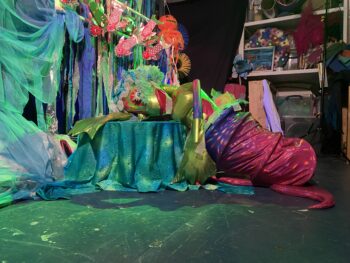
Across the cultural sector, artists and independent organisations are encouraged to innovate, collaborate, secure funding, develop audiences and create sustainable business models.
Yet the structures through which arts programmes are commissioned do not always reflect the true cost of this work.
Behind every successful project are countless hours of planning, creative research, funding applications, partnership development, community engagement, production and evaluation.
Some of this work is funded. Much of it is not.
For small organisations, these costs are frequently absorbed through unpaid labour, reduced fees and personal financial risk.
When the opportunity to continue a successful programme is removed, the originating organisation can be left carrying the costs of development while others benefit from the foundations already established.

Towards a more sustainable approach to commissioning
We recognise the importance of competitive procurement and welcome the opportunities that new partnerships and creative approaches can bring.
However, we believe there is an opportunity for commissioners and funders to consider how procurement processes can better recognise the value of creative development.
This includes acknowledging the intellectual contribution of originating artists, the financial risks involved in establishing new programmes, the importance of community relationships and the potential long-term consequences of commissioning decisions.
Value for money should not be measured solely through the price of delivering an event.
It should also consider the sustainability of the local creative economy and the organisations whose work contributes to its development.
There may be opportunities for commissioning models that encourage collaboration, recognise creative originators and provide fair remuneration for artistic development and intellectual contributions.
Such approaches need not compromise transparency or competition. They could strengthen the cultural sector by enabling successful projects to grow while supporting the people who helped create them.
Looking forward
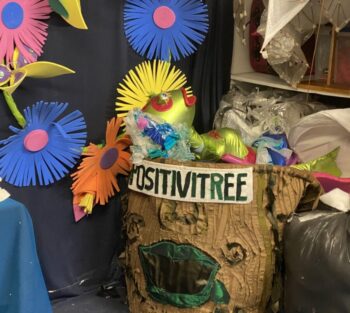
We have been delighted to deliver the Festival of Light and Reflection and River of Light and are grateful to the artists, volunteers, schools, community organisations and residents who contributed their creativity, time and enthusiasm.
We also recognise the support of Dacorum Borough Council and the importance of continued investment in accessible cultural activity.
We wish the 2027 lantern parade every success.
However, this experience has prompted us to reflect on the future of our organisation and the conditions under which independent artists and small creative businesses are expected to operate.
The issue is not simply about losing a procurement opportunity. It is about the wider sustainability of socially engaged arts practice.
If we want a thriving, innovative and inclusive cultural sector, we need to ensure that the organisations developing creative opportunities have a fair chance to benefit from the value they generate.
A successful project should create opportunities for the communities it serves, but also help sustain the artists and organisations who brought it into being.
That is a conversation worth having.
Puddingstone Arts CIC
October 2026
Please read the Evaluation below
River of Light sits within the wider vision of Puddingstone Arts’ “Heritage in Herts” programme, an artist-led, community co-created initiative designed to engage, inspire and open conversation through place-based storytelling and creative engagement. by Planet Munch Puppets at Nysa Projects (Nysa Projects)



 Contact us:
Leave a Reply